
Understanding the Probabilities in Gambling
Gambling, at its core, is a game of chance governed by mathematical probabilities. Every bet placed, whether in a casino, on a sporting event, or through other forms of wagering, carries an inherent likelihood of winning or losing. This probability is not arbitrary; it is calculated based on a multitude of factors specific to the game or event in question. For instance, in card games like poker, probabilities are determined by the number of cards remaining in the deck and the combinations of hands possible. In sports betting, odds are influenced by team statistics, player form, historical performance, and even external factors like weather conditions. For those looking to understand how to win there, a deep dive into these probabilities is essential.
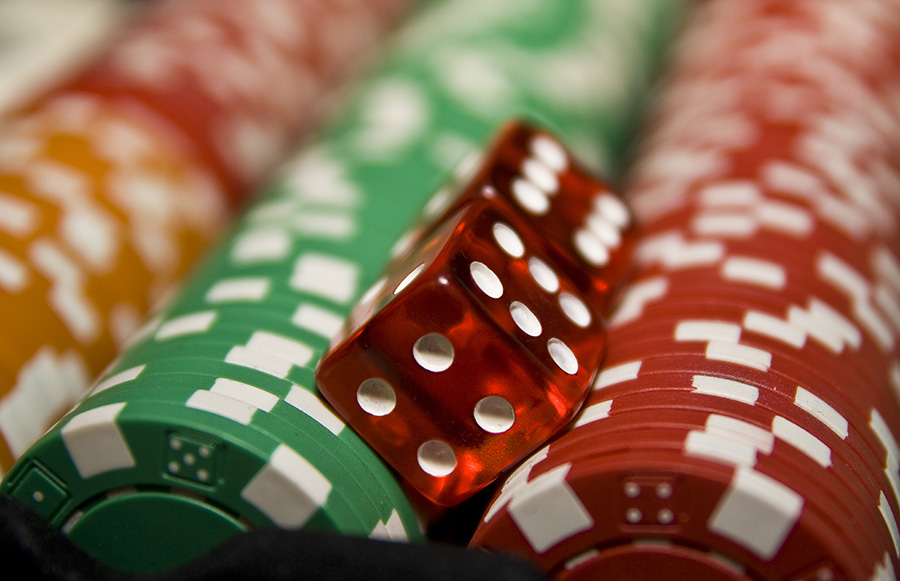
Recognizing and understanding these underlying probabilities is the first step towards making more informed decisions when gambling. It moves the activity from pure luck to a realm where strategic thinking can have a tangible impact. While the element of chance can never be entirely eliminated, a solid grasp of probability allows individuals to assess risk more effectively and to identify wagers that might offer a more favourable outcome, even if that outcome is still uncertain. This foundational knowledge is crucial for anyone looking to engage with gambling in a more analytical way.
The House Edge: An Inherent Advantage
A fundamental concept in gambling that directly impacts odds is the “house edge.” This refers to the built-in statistical advantage that the casino or betting operator has over the player. It is the mathematical certainty that, over the long run, the house will make a profit. This edge is present in virtually all forms of gambling, from slot machines to roulette. For example, in roulette, the presence of the zero (and double zero in American roulette) means that the payout for any single number bet is slightly less than the true probability of that number hitting, thus creating the house advantage.
Understanding the house edge is critical for any gambler. It helps to manage expectations and to appreciate that consistently winning against the house over extended periods is statistically improbable. Different games have different house edges; some offer more favourable odds to the player than others. For example, games like blackjack, when played with optimal strategy, can have a relatively low house edge compared to many other casino games. Being aware of this allows players to choose games that might offer a slightly better chance of success, or at least extend their playing time.
Interpreting Betting Odds and Payouts
Betting odds are a direct representation of probability, but they also dictate the potential payout. Odds can be presented in various formats, such as fractional (e.g., 2/1), decimal (e.g., 3.00), or American (e.g., +200 or -150). Each format conveys the same information: the likelihood of an event occurring and the amount a bettor stands to win. For instance, odds of 2/1 mean that for every unit staked, the bettor wins two units plus their original stake back if the bet is successful. Decimal odds of 3.00 mean that a £1 bet would return £3 (your £1 stake plus £2 profit).
Learning to accurately interpret these odds is a key skill for anyone involved in gambling. It allows for a clear understanding of the risk versus reward for any given bet. Beyond just knowing the payout, it’s important to consider what the odds imply about the perceived probability of an outcome. When odds seem disproportionately favourable or unfavourable compared to one’s own assessment of the situation, it can present an opportunity or a warning sign. This critical evaluation of odds is central to making smarter bets, rather than simply placing wagers based on intuition alone.
The Psychology of Gambling and Risk Perception
Beyond the mathematical underpinnings of odds, the psychology of gambling plays a significant role in how individuals approach betting. Emotional responses, cognitive biases, and the thrill of potential wins can all influence decision-making. For example, the “gambler’s fallacy” is the mistaken belief that if something happens more frequently than normal during one period, it will happen less frequently in the next, or vice versa. This misinterpretation of probability can lead to poor betting choices, particularly in games of independent chance.
Furthermore, the perception of risk is subjective. What one person considers a high-risk, high-reward bet, another might see as a sound wager based on their analysis. Responsible gambling involves developing a healthy awareness of one’s own psychological tendencies and how they might affect betting decisions. Strategies like setting limits, taking breaks, and avoiding chasing losses are crucial for mitigating the psychological pitfalls associated with gambling. Understanding these psychological factors alongside the mathematical odds provides a more holistic approach to betting.

WinThereCAS: Navigating Responsible Gambling Resources
For individuals in the UK seeking to understand the complexities of gambling, including odds, probabilities, and the psychology of betting, organizations like WinThereCAS offer invaluable support and resources. WinThereCAS aims to provide information and assistance to those who may be affected by gambling, helping them to make informed decisions and to access support when needed. They focus on empowering individuals with knowledge, encouraging responsible engagement with gambling activities, and offering pathways to help for those who require it.
Navigating the world of gambling can be challenging, and understanding the philosophy behind the odds is just one piece of the puzzle. WinThereCAS provides a crucial point of contact for anyone looking for guidance on responsible gambling practices, the potential impact of odds, and how to maintain control. Their mission is to foster a safer environment by ensuring that individuals have access to the information and support necessary to engage with gambling in a mindful and responsible manner, acknowledging the inherent risks and probabilities involved.